
When people think about teen substance use, they often picture alcohol or marijuana.
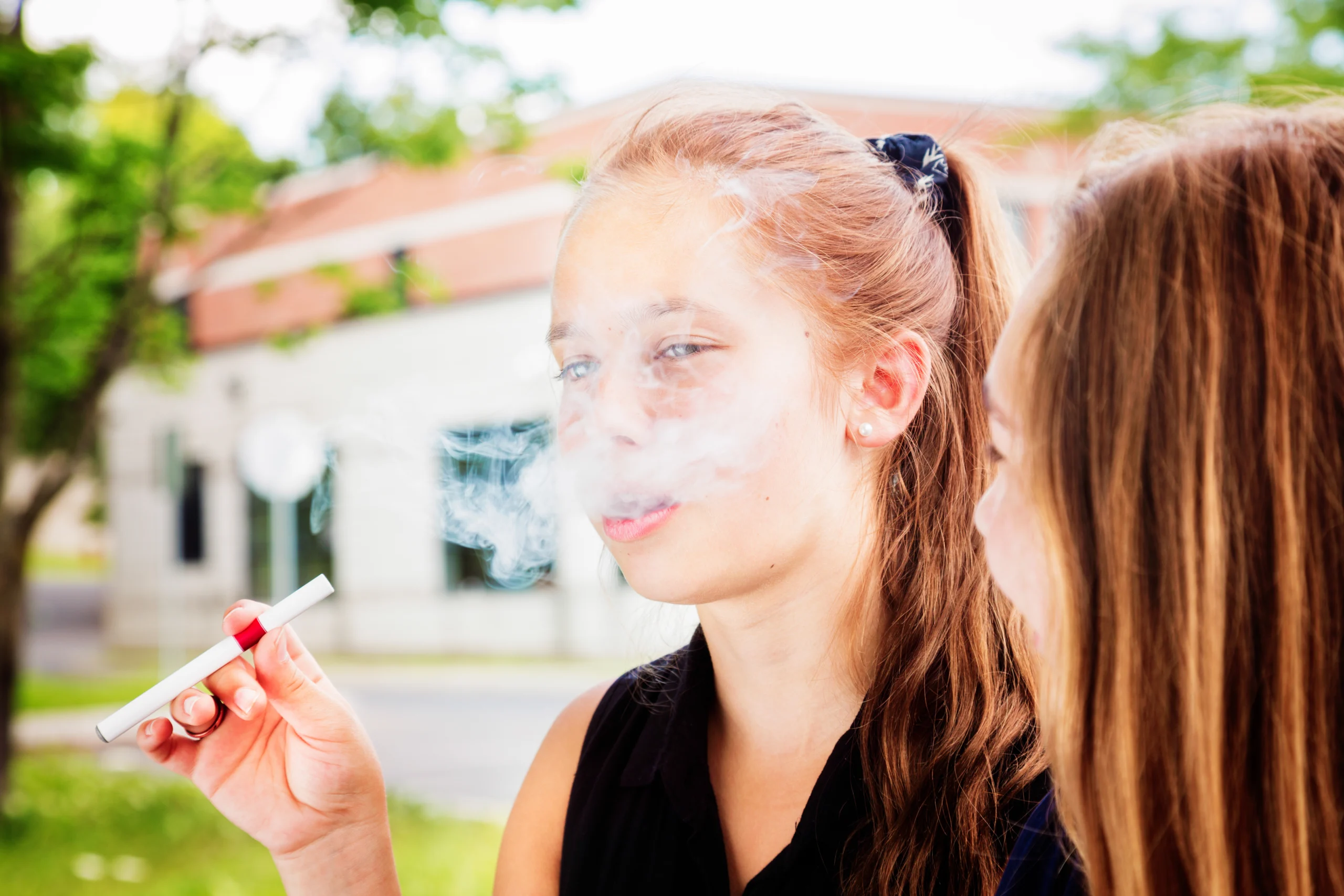
But today, one of the most common substances used by adolescents is nicotine, primarily through vaping.
While cigarette smoking among teens has declined over the past decade, vaping quickly filled that gap. According to recent national youth surveys, more than 2 million middle and high school students reported using e-cigarettes within the past year. A significant percentage of those students reported using them regularly, not just experimenting once.
This means millions of teens are exposing their developing brains to nicotine.
Understanding why vaping remains so common, and what teens are actually saying about it, can help families respond early.
Why Vaping Feels Different Than Smoking
Many teens do not see vaping as the same as smoking.
Vaping devices are sleek and discreet. They may resemble USB drives or everyday objects. Some produce very little visible vapor, making them easier to hide.
Flavors such as fruit, mint, or candy also contribute to the perception that vaping is mild or harmless.
On social media, vaping is often presented casually. It is rarely framed as addiction.
Because of this, teens may say things like:
- “It’s just a hit.”
- “It’s only nic.”
- “Everyone has a pod.”
The language makes it sound smaller than it is.
The Slang Teens Use
Parents may hear unfamiliar phrases without realizing they are connected to nicotine use.
Common terms include:
- “Nic” for nicotine
- “Hit” meaning an inhale from a vape
- “Pods” for refill cartridges
- “Juice” for the liquid inside the device
- “Geek bar” or other brand names used casually
- “Cloud chasing” for blowing large vapor clouds
- “Popcorn lung,” sometimes referenced jokingly
The phrase “popcorn lung” refers to a serious lung condition linked in the past to inhaling certain flavoring chemicals. While many manufacturers claim to have removed those chemicals, the term continues to circulate online, often minimized or used sarcastically.
The slang can make the risks feel less serious than they are.
What Is Actually in a Vape?
Most vaping products contain nicotine, flavoring agents, and aerosolized chemicals.
Nicotine is highly addictive. It stimulates dopamine, the brain’s reward chemical. Over time, the brain begins to rely on nicotine to feel stable.
Many newer vaping products contain high concentrations of nicotine. Some devices can deliver as much nicotine as an entire pack of cigarettes in a small cartridge.
For adolescents, this is particularly concerning.
How Nicotine Affects the Teen Brain
The brain continues developing into the mid-twenties. Areas responsible for impulse control, attention, and emotional regulation are still maturing during adolescence.
Nicotine exposure during this stage can:
- Increase anxiety over time
- Worsen mood instability
- Reduce attention span
- Strengthen addictive behavior patterns
- Increase risk for future substance use
Some teens begin vaping to manage stress or social anxiety. Ironically, nicotine can increase baseline anxiety levels over time, creating a cycle where the teen feels they need nicotine just to feel normal.
The Mental Health Connection
Vaping does not happen in isolation.
Studies consistently show that teens who vape are more likely to report symptoms of depression and anxiety. Some research indicates that adolescents who use e-cigarettes are at higher risk for emotional distress compared to non-users.
While it is not always clear whether mental health struggles lead to vaping or vaping worsens mental health, the connection is strong.
Teens may use nicotine to cope with:
- Academic pressure
- Social comparison
- Body image concerns
- Emotional numbness
- Family stress
What begins as experimentation can quickly become emotional reliance.
What “Popcorn Lung” Really Means
Although teens may joke about “popcorn lung,” lung health concerns are real.
Vaping has been associated with respiratory issues, including coughing, wheezing, and chest tightness. A few years ago, thousands of individuals were hospitalized with vaping-related lung injury, a condition known as EVALI.
Even without severe injury, regular inhalation of aerosolized chemicals can irritate the lungs and reduce respiratory function.
Just because the vapor does not look like smoke does not mean it is harmless.
Warning Signs of Youth Vaping
Because devices are small and easy to conceal, vaping can go unnoticed.
Possible signs include:
- Sweet or fruity odors
- Increased irritability
- Restlessness between uses
- Frequent bathroom breaks
- Unfamiliar small devices or cartridges
- Changes in mood or sleep
Nicotine withdrawal in teens can cause mood swings, headaches, and difficulty concentrating.
When Should Families Seek Help?
Occasional experimentation may escalate quickly into daily use.
It may be time to seek professional support if:
- Your teen struggles to go without vaping
- Mood changes seem tied to nicotine use
- There are signs of anxiety or depression
- Academic performance declines
- Attempts to stop result in irritability or distress
Nicotine addiction can develop rapidly, especially in adolescents.
At High Focus Centers, we provide outpatient mental health and substance use treatment for adolescents and adults. Our programs address both nicotine dependence and underlying emotional concerns such as anxiety, depression, and stress.
Vaping is often a symptom of something deeper.
Why This Conversation Matters
Youth vaping rates remain a national concern. While traditional cigarette use has declined, nicotine exposure through vaping continues to affect millions of teens.
Slang terms like “nic,” “pods,” and “popcorn lung” may make it sound harmless. The impact on developing brains tells a different story.
If you are concerned about your teen’s vaping or mental health, early support can make a meaningful difference.
High Focus Centers is here to help families navigate these challenges with evidence-based care and compassionate support.